Humbling Travel Experiences I’ll Never Forget
Travel isn’t always about dreamy landscapes and flawless itineraries. Sometimes, it’s the humbling travel experiences that leave the most significant impact. The awkward, embarrassing, and eye-opening moments. These aren’t just simple travel blunders; they’re the kind that force you to pause, reflect, and grow. I’ve made my fair share of mistakes while traveling, but two moments stand out the most. They reminded me that no matter how many places I’ve been, there’s always more to learn, not just about the world, but about empathy, awareness, and humility.
That One French Phrase at Everest Base Camp
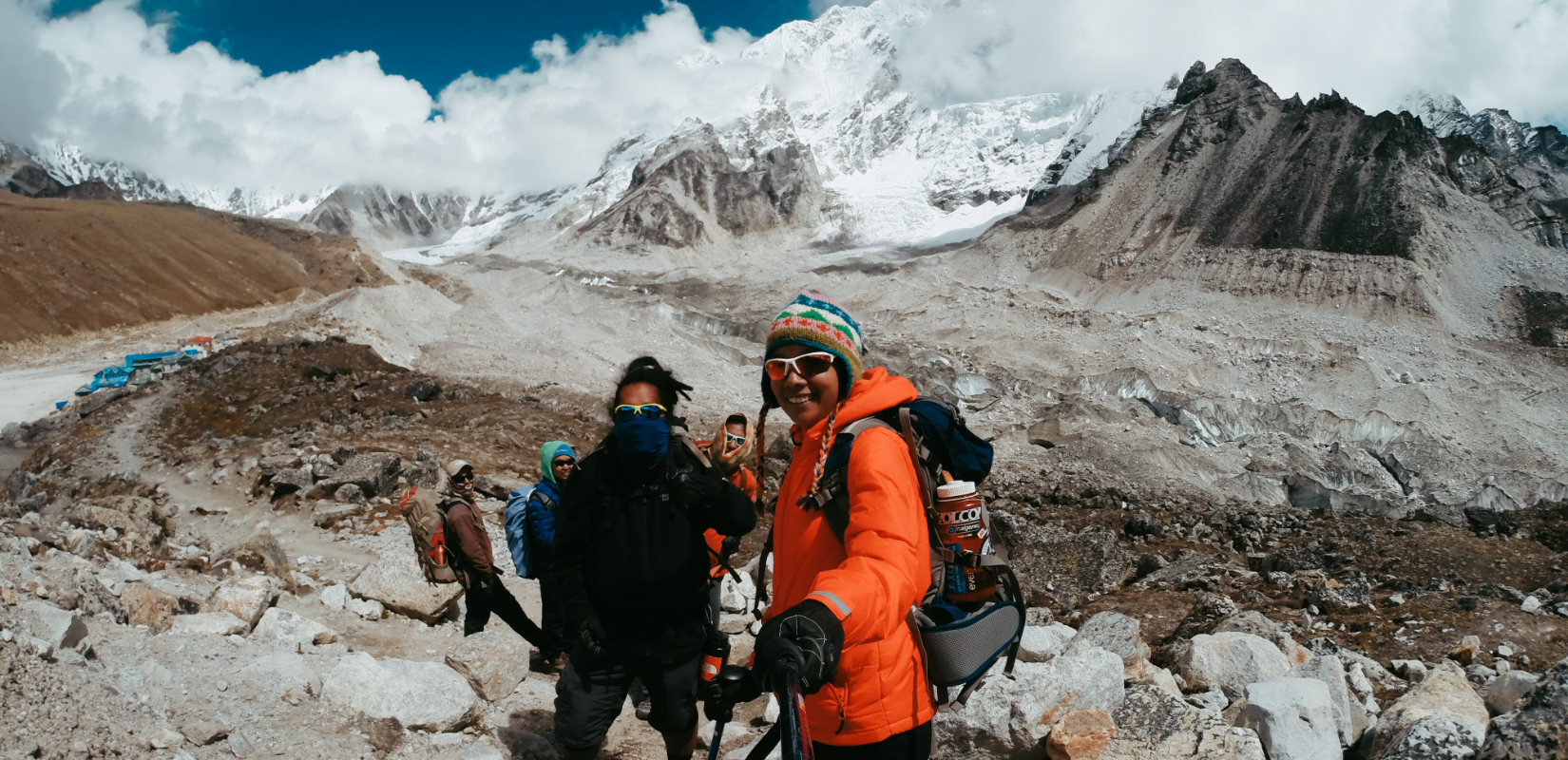
In 2014, I did the Everest Base Camp trek with my closest friends. It was one of the most rewarding but also physically challenging trips I’ve ever taken. On our first day, we arrived in Phakding, a quiet Himalayan village where we’d spend the night. I was filled with excitement after completing Day 1 of the 14-day trek. At the teahouse, we met two French trekkers who had arrived before us. Wanting to be friendly, I said the only French phrase I knew: Voulez-vous coucher avec moi, ce soir?

One of them looked agitated and replied, “Sure. Do you even know what that means?” I didn’t. Not really. I had only heard it in a pop song. It means: Do you want to sleep with me tonight?
Parang gusto ko na lang lumubog sa kinauupuan ko. I was so mortified. My friends teased, “Yan kasi! Jollibee!”
That afternoon, as if adding insult to my injury, I got altitude sickness. I was vomiting, cold, miserable, and unable to eat dinner. And I had to keep all of this to myself because we had agreed that the moment anyone showed signs of altitude sickness, that person had to stop the trek for our health and safety.

Lesson learned? Excitement doesn’t excuse ignorance. That moment taught me to be more culturally sensitive and thoughtful in my word choices. What I thought was a playful icebreaker turned out to be wholly inappropriate and potentially offensive. It was like a “think before you click” moment, except verbal. We’re often reminded to pause before posting online, to check if something could be misinterpreted or disrespectful. That same mindfulness applies in real-life conversations, especially when you’re in a different country and culture, speaking a language you barely know.
The truth is, not every silence needs to be filled. Sometimes, the best way to connect is simply to observe, read the room, or, better yet, wait for an actual invitation to engage. I learned that trying too hard to be funny or friendly can backfire if you don’t understand the full context. And in that moment, I didn’t.
When I Compared Auschwitz to Tagaytay
In December 2017, I traveled to Europe for the first time. Our company’s all-hands meeting was in Kraków, Poland. When we arrived, the ground was still brown and covered with fallen leaves, but the cold had already begun to bite. It was a stark reminder that winter was just around the corner. On our second day in the country, it snowed. It was my very first time seeing snow, and I felt like a child experiencing something magical for the first time.

After the official events of our company trip, some of us decided to visit the Auschwitz-Birkenau Concentration Camp. While walking along the railway tracks in Birkenau, I snapped a photo and, in my naivety, captioned it “Sa Tagaytay.” Tagaytay is a popular cool getaway back home in the Philippines, and I thought the snowy scene was a funny comparison.
It wasn’t.
A fellow travel blogger commented: “That’s not Tagaytay. That’s Auschwitz-Birkenau, where millions were murdered.” Nanlamig ako. I was deeply ashamed. I removed the caption. I forgot about the history, the trauma, and the lives lost from where I was standing. Had Angelica Panganiban seen that photo and the caption I chose to go with it, she would’ve thought twice about making the same blunder during her trip to the Holocaust Memorial in Berlin.

Lesson learned? Being a tourist is no excuse for insensitivity. One of the most humbling travel experiences I’ve ever had reminded me: places have stories, and some carry deep pain. We have a responsibility to honor them.
What I Learned and What I Hope to Teach My Kids
These moments still make me cringe. Nakakahiya talaga. But I’m grateful. They revealed blind spots in my awareness and pushed me to grow. Now that I have three kids, I hope to pass these lessons that I’ve learned from these humbling travel experiences on to them:
- Socialization isn’t just about talking. It’s also about listening and understanding.
- Travel is about respect. Always know where you’re standing.
- Mistakes are painful, but they’re powerful teachers.
Travel has humbled me many times, and I know it will again. And that’s okay because travel doesn’t just take you places. It shapes who you become.
Thanks for reading!